

Summer Car Care Tips for St. Louis Drivers
Many people prepare their vehicles for winter, but few think about getting them ready for summer. This kind of preparation is just as vital to your vehicle’s longevity as getting ready for winter. Here are some tasks you should consider taking care of before the summer heat hits in St. Louis.
Check Your Air Conditioning System and Filters
A functional air conditioning system can be the difference between a comfortable drive and a miserable commute. On hotter days, you could risk heatstroke, especially if you’re older or you have any underlying health problems. You can get ready for summer by checking the airflow from each vent and making sure that all of your dials and controls function properly.
If one or more of your air conditioning vents isn’t blowing or cooling as well as the rest of them, you may have a clogged vent or a dead fan. If your air conditioner doesn’t blow cold air, you may need to have your refrigerant or your compressor replaced. If your system is producing cold air and making screeching or clattering sounds, your compressor could be failing.
A mechanic can usually fix these types of issues within a few hours. It’s also a good idea to check your air filters. Some vehicles have engine and interior air filters. If either type of filter looks discolored, dusty, or dirty, replace it.
Check Your Tire Pressure and Tread Levels
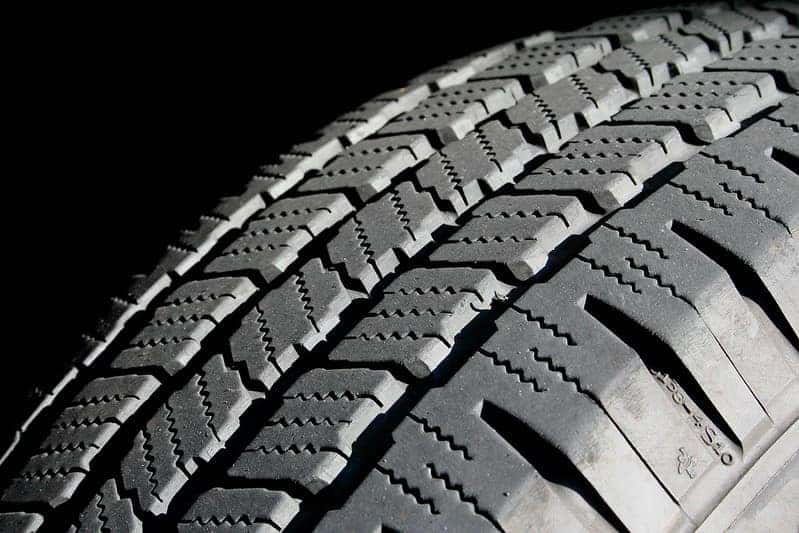
Tired by Clearly Ambiguous is licensed with CC BY 2.0
Checking your tires is important for preventing flat tires or hazardous blowouts. Your vehicle will also be more maneuverable if the tires are in good condition.
If you have a tire gauge, you can use it to check the precise amount of your tire pressure. You can find the correct tire pressure for your vehicle on the inside of the driver’s door. The tires also have a pounds per square inch (PSI) rating on their sides. However, this is the maximum PSI rating, not the ideal level.
To use a tire gauge, unscrew the cap on the tire valve. Then, press the gauge into the valve. When it’s pressed in far enough, it should give you a reading. Then, you can adjust your tire pressure with an air compressor until it matches the ideal pressure.
To check the integrity and quality of your tire treads, place a penny between the central treads on each tire. Turn the penny so that the president’s head is pointed down. If his head disappears or is mostly gone, the tread depth is good. If you can see his whole head, you should replace your tires as soon as possible.
Check your tires for cracks or bulges as well. Cracks could be signs of a compromised exterior tire layer, and bulges might mean that your tire’s internal tube is compromised. If you see either of these signs, get new tires as soon as possible.
Check and Top Off or Replace Vehicle Fluids
Most gas vehicles use five primary fluid types, and checking them can help you prevent breakdowns or other problems on your next summer road trip. Keeping your car in good condition can also help you get more money when you sell or trade it.
Engine Oil
To check your oil, unscrew the cap and withdraw the long metal dipstick from the reservoir. Then, check to make sure your oil is at its proper level. If it’s short of that and your oil is fairly new, you can just add more. Make sure you top it off with the same brand and type of oil that you used before. Mixing oil types can sometimes cause engine problems, and it makes knowing when to change your oil tougher. If your oil is old, drain and replace it. Then, check your oil filter and replace it if needed.
Transmission Fluid
To check your transmission fluid, you need to locate the proper dipstick. It’s usually closer to the windshield than the oil dipstick. Before you check this fluid, warm up your engine. Checking your transmission fluid cold could result in a false reading on the dipstick.
When you pull the dipstick from a warmed vehicle, it will show a full or low reading, similar to your oil dipstick. The fluid is usually reddish fluid, and if it’s brown, you should replace it. If you can’t find the dipstick, check your owner’s manual. You could have a transmission that’s sealed and doesn’t have replaceable fluid.
Brake Fluid
Brake fluid is one of the most important types of fluids you should check. If your vehicle is low on brake fluid, you could have a catastrophic accident. The brake reservoir should be near the master cylinder. Even minute levels of dust or other contaminants can damage the master cylinder, so it’s a good idea to wipe off the cap before you open the reservoir. Then, dip a white cloth into the fluid. If it’s darker than tea, you probably need to have it replaced. Most people should get help from AutoCenters Herculaneum instead of trying to do the replacement themselves. This is especially true for vehicles with anti-lock brakes.
Power Steering Fluid
If your power steering isn’t responding smoothly when you turn the wheel or it’s making noises when you turn, you could need to replace or refill your power steering fluid. To check it, consult your owner’s manual and locate the cap. Then, remove the cap and the dipstick. Check where the fluid line meets the lines on the stick. Most vehicles have power steering fluid reservoirs with low, medium, and high dipstick lines. If the fluid level is between medium and high, you don’t need to do anything but replace the dipstick and cap.
If the fluid level is between low and medium, top it off or replace it. Good power steering fluid will have a slightly amber or pinkish color, but it should be nearly clear. Bad fluid looks brown or black, and you should replace it.
Windshield Wiper Fluid
Your wiper fluid reservoir should be under the hood, near the windshield. This kind of fluid doesn’t usually get contaminated or go bad the way that many other fluids do, but you should still replace it if it looks discolored or dirty. Windshield wiper fluid is usually blue, and it has the same consistency as water.
These summer car care tips can help you keep your vehicle in great shape. For more information about caring for your vehicle during the summer months, contact us at AutoCenters Herculaneum in Herculaneum, Missouri.
0 comment(s) so far on Summer Car Care Tips for St. Louis Drivers